Charting Loyalty Ladder Mechanics That Channel Seasonal Tournament Credits from Basketball and Soccer Circuits into Handheld Esports Arena Spins for Racket Sport Crossover Users
Drew Roth · Oct 19, 2026
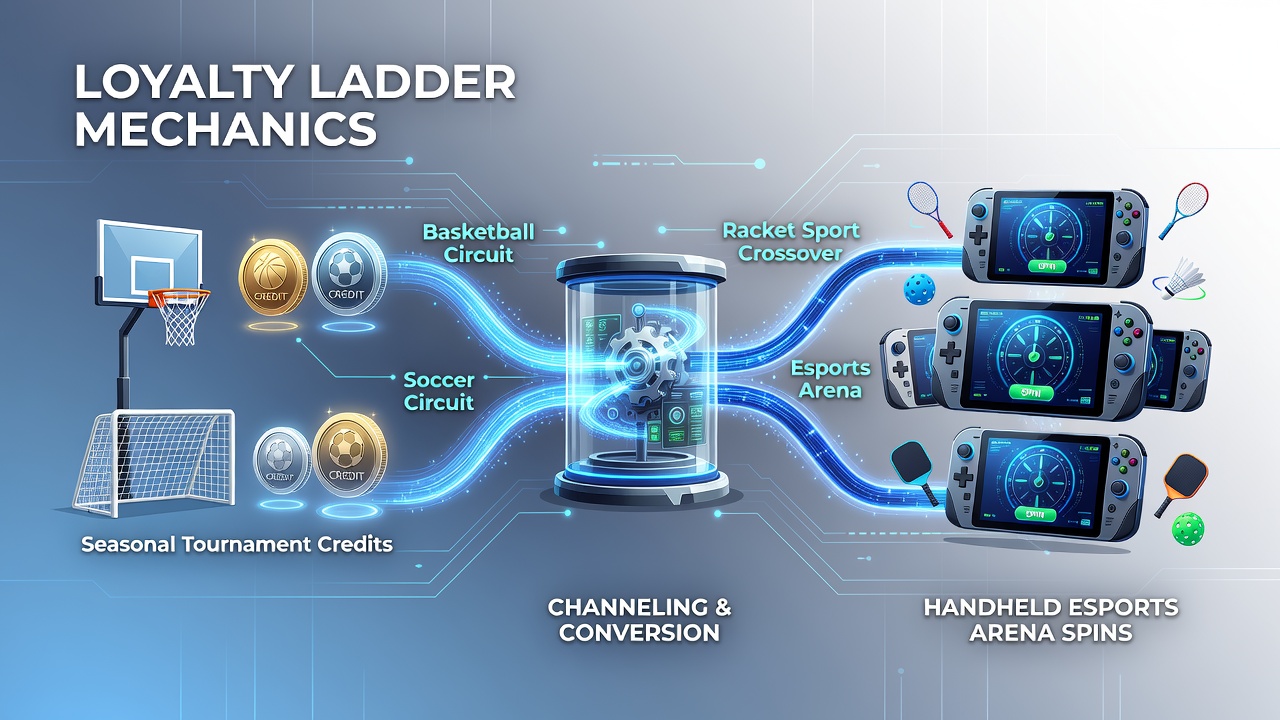
Charting Loyalty Ladder Mechanics That Channel Seasonal Tournament Credits from Basketball and Soccer Circuits into Handheld Esports Arena Spins for Racket Sport Crossover Users
Industry analysts track loyalty ladder systems that convert seasonal credits earned through basketball league events and soccer tournament participation into spins within handheld esports platforms, and these pathways frequently extend to users shifting toward racket sport markets where crossover activity peaks during October 2026 schedules. Data from multiple operators indicate that points accumulated in live basketball circuits transfer directly into digital arena credits when participants engage racket sport betting interfaces on mobile devices, while soccer-derived credits follow parallel routes that unlock additional spin allocations after threshold completion.
Mechanics of Credit Conversion Across Circuits
Operators structure these ladders in tiers that activate once users reach defined activity levels in basketball or soccer events, and conversion protocols then route the resulting credits into esports handheld environments where spins become available for racket sport themed competitions. Research from the European Gaming and Betting Association shows participation rates rise when credits migrate automatically between formats, since the process eliminates separate registration steps and maintains continuous engagement across seasons. Those who monitor these systems note that October 2026 tournament calendars create natural reset points where accumulated basketball credits combine with soccer residuals to generate larger spin bundles for racket sport crossovers.
Conversion ratios vary by operator yet typically follow formulas that award one spin per ten tournament credits transferred, and this structure encourages sustained activity because users see direct value when shifting focus to racket sport events. Figures from Canadian regulatory reports reveal that handheld device preferences among crossover users accelerate credit flow, as mobile interfaces integrate the loyalty tracking without requiring desktop transitions.
Pathways from Basketball and Soccer to Esports Spins
Basketball circuits generate credits through mid-season wagers and playoff brackets that feed into loyalty accounts, whereas soccer circuits contribute through league match accumulations that carry forward into off-peak periods. These credits then enter esports arena spin mechanics where racket sport simulations become accessible, and the transition occurs seamlessly when users select handheld options during October 2026 crossover windows. Observers note that the process relies on unified player profiles that recognize prior activity in basketball and soccer, thereby unlocking spin quantities proportional to historical participation levels.
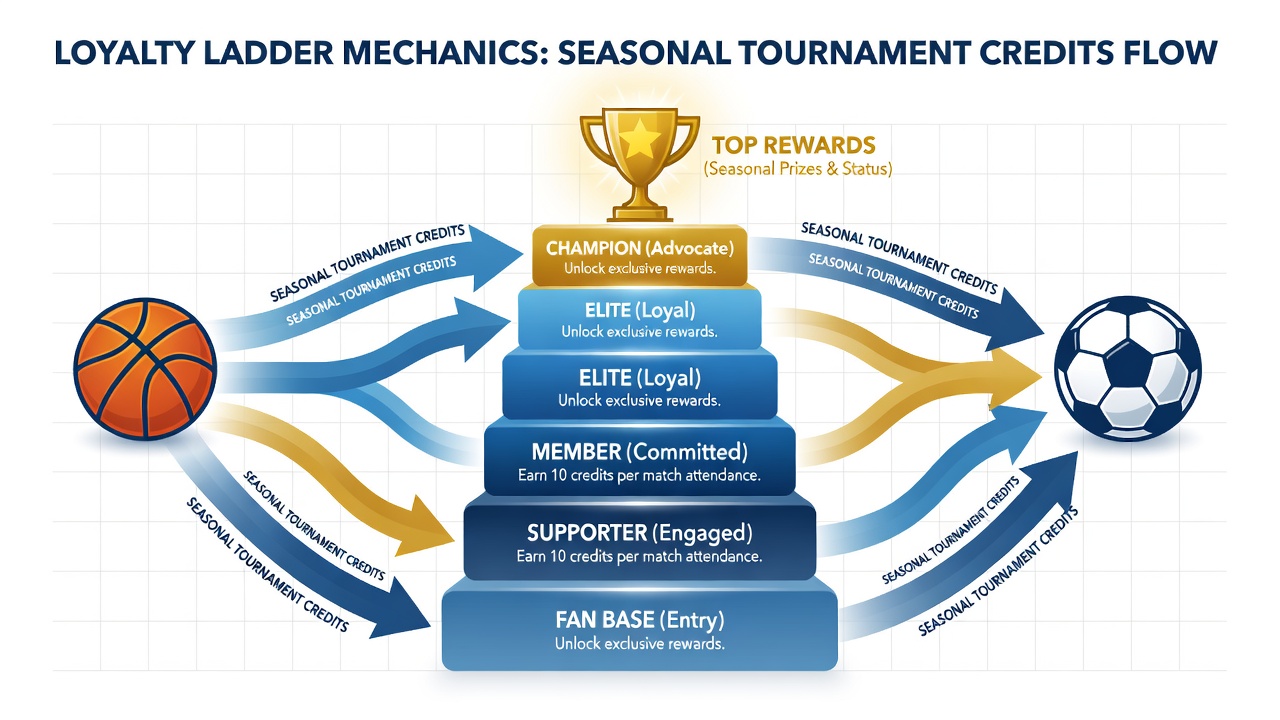
One documented pattern involves basketball credits converting at higher rates during international tournaments, while soccer credits provide steadier inflows from domestic leagues, and both streams converge in esports arenas to support racket sport user retention. According to a University of Nevada Las Vegas gaming research paper, such integrated ladders increase session duration by aligning credit availability with event schedules across multiple sports.
Crossover Dynamics in Racket Sport Markets
Racket sport enthusiasts who begin with basketball or soccer credits often discover expanded spin access once they enter esports handheld environments, and this crossover effect strengthens when October 2026 schedules align major tennis and badminton circuits with esports tournaments. The ladder mechanics prioritize users who demonstrate activity across at least two original circuits, granting bonus spin multipliers that apply specifically to racket sport simulations. Reports from the Australian Communications and Media Authority indicate that device portability plays a central role, since handheld access allows real-time credit application during live racket sport events without interrupting the loyalty progression.
Seasonal resets in basketball and soccer create opportunities for credit consolidation that directly benefits racket sport participants, because the unified system treats prior tournament engagement as foundational for new spin allocations. Those studying user behavior observe that crossover volumes increase when operators highlight the transfer options through in-app notifications timed to league transitions.
October 2026 Context and Implementation Trends
October 2026 marks a period when multiple basketball and soccer seasons overlap with racket sport calendars, prompting operators to adjust ladder thresholds so that accumulated credits convert efficiently into esports arena spins. Implementation data shows that platforms using automated tracking reduce conversion delays, enabling users to apply basketball and soccer credits immediately upon entering racket sport sections. Regulatory filings from the Nevada Gaming Control Board document that these mechanics comply with regional standards when credit sources remain traceable through verified accounts.
Cross-format participation metrics for that month reveal elevated activity among users who previously engaged basketball or soccer circuits before shifting to racket sport esports content, and the credit channeling process supports this movement without requiring additional deposits. Industry organizations such as the World Lottery Association have published guidelines that encourage transparent mapping of loyalty pathways to maintain user trust across seasonal changes.
Conclusion
Loyalty ladder systems continue to evolve as mechanisms that link basketball and soccer tournament credits to handheld esports arena spins, with particular emphasis on supporting racket sport crossover users during aligned calendar periods like October 2026. The documented patterns demonstrate consistent credit flow through unified profiles, conversion ratios tied to activity tiers, and device-driven accessibility that maintains engagement across formats. Data from regulatory and research sources confirm that these structures operate within established frameworks while facilitating transitions between athletic circuits and digital arena environments.